1. Assess the property
A walk around the property shows how large the search is, from one corner of a yard to a whole building.
Lone Tree, IA · Johnson County
Needles near a play area, a business entrance or a rental in Lone Tree are a risk until they are gone. Call (877) 812-4220 for pickup, containment and disposal as regulated medical waste.
If anyone is in danger, call 911 first. For a suicide crisis, call or text 988.
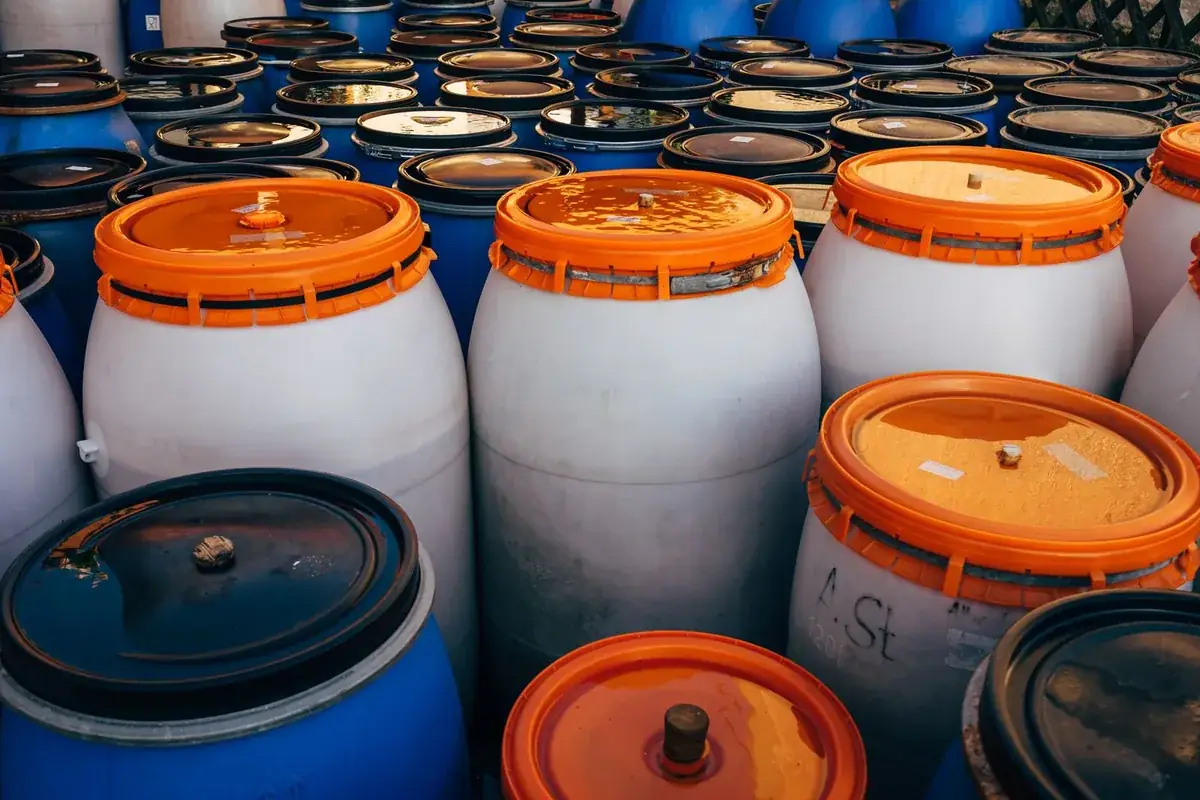
Syringe cleanup removes used needles from places where they should not be and treats the surfaces they touched. The sharps are collected, sealed and hauled away as regulated medical waste.
For sharps jobs of every size in Lone Tree, from one syringe in your yard to a vacant building in Johnson County that needs a thorough sweep, you can get biohazard cleanup crews by calling Lone Tree Biohazard Cleanup Help.
With roughly 41% of Johnson County households renting, turnover is common and units are checked between tenants. Tell the doctor where the needle was found. The nearest emergency room to Lone Tree is University of Iowa Hospital & Clinics, about 14 miles away.
Needle & Sharps Cleanup in Lone Tree usually includes:
A walk around the property shows how large the search is, from one corner of a yard to a whole building.
Cleanup technicians wear puncture-resistant gloves, eye protection and boots for the sweep.
Each needle is picked up with a tool and dropped into a rigid, puncture-resistant container, then sealed.
After the last walk-through, the owner can reopen the area to tenants, customers or family.
The cost of needle & sharps cleanup in Lone Tree, IA depends on the amount of material, how it is packed and how it is hauled.
Whether surfaces need disinfecting changes the scope. Sharps lying on carpet, bedding or furniture can add cleaning or removal of soft materials.
| Type of job | Typical range |
|---|
Estimates only, not a quote. Sources: . Price drivers include number of items, where they are found, whether a sweep of a large area is needed, waste disposal. Call (877) 812-4220 to talk through the job.
No. This page explains how needle and sharps cleanup works. It is not medical, legal or insurance advice. For exposure or symptoms, contact a doctor or Poison Control, and for local programs ask the health department.
The crew searches the whole area with protective gear and tools. It collects each sharp into a puncture-resistant container, cleans surfaces where sharps lay, and hauls the sealed containers away. A final walk checks that nothing was missed, and the team can provide a record.
Wash the area with soap and water and get medical care right away. Call 911 in an emergency, or Poison Control with exposure questions. Tell the doctor what happened and where the needle was found, if you know. Do not wait to see whether symptoms appear.
A small yard or single room can be quick, while a building or large lot takes longer. Clutter, hidden spots and the amount of sharps affect the time. A cleanup team can give a realistic idea once it hears the details.
It is a rigid, puncture-resistant box with a locking lid, made to hold needles, syringes, lancets and blades. Cleanup teams use them to seal sharps for transport. Containers should not be overfilled or opened again once locked.
Yes. Insulin pen needles, lancets and similar small devices are sharps, even though they are used for health care. They should go into a rigid container, never loose into trash.
Crews work without judgment and focus on making the space safe again.
Call (877) 812-4220